7 Steps to prepare for a countertop quote
1. Measure Your Countertop Area
The first step in preparing for a countertop quote is to measure the space where the new countertops will go. Begin by measuring the length and width of each section of the countertop in inches or feet, and calculate the total square footage. Don’t forget to measure any islands, peninsulas, or irregular sections separately. The more precise your measurements, the more accurate the quote will be. Take note of any unique or non-standard shapes, as these could require custom cuts.Tip: Double-check your measurements, especially if your kitchen layout includes corners or unusual angles, as these will affect the overall material usage.
Countertop square footage calculator
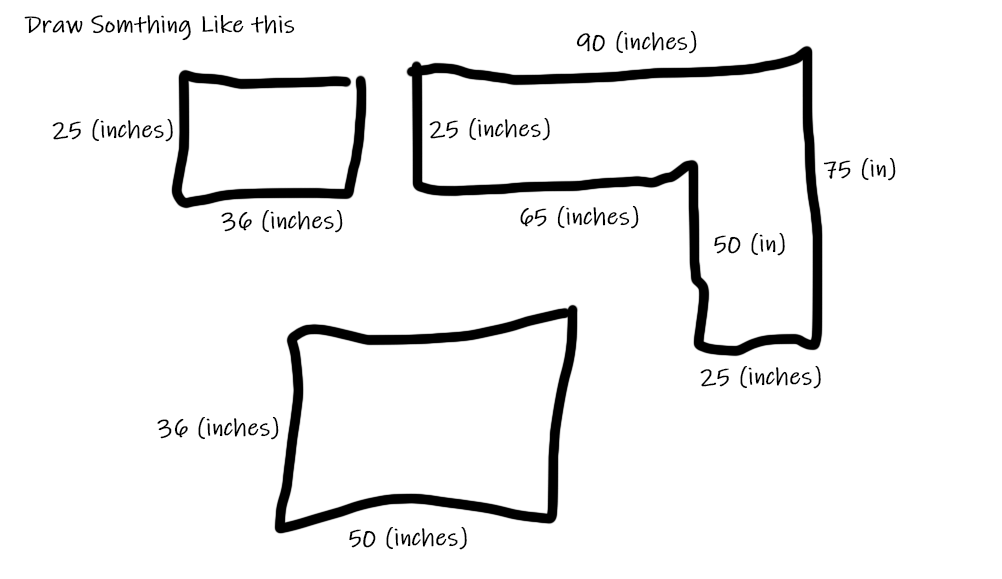 Quartz calculators also account for factors like sink cutouts and backsplashes, giving a comprehensive cost breakdown. By saving time and providing clarity, these tools simplify your remodeling process while keeping your budget on track.
2. Select Your Material
Different countertop materials come at different price points, and your selection will directly influence the cost of your project. Quartz, granite, marble, and even recycled materials like concrete or glass vary in price depending on their quality, style, and availability. You’ll need to decide on your preferred material before requesting a quote. High-end materials, such as exotic granite or rare quartz, can be significantly more expensive than standard options.3d Virtual Kitchen Countertop Designer
Opens a new window where you can see designs created by others and Try it for your self.
Tip: If you’re unsure about which material is best for your needs, consult with your countertop supplier or a design professional to find out about the durability, maintenance, and aesthetic of each material.
3. Choose Your Edge Profile
The edge style you choose for your countertops can also impact the overall price. Standard edges like square or rounded are generally more affordable, while custom edges such as ogee, bevel, or waterfall require more intricate work and can add to your costs. Before asking for a quote, decide whether you want a simple edge or a custom design to complement your kitchen’s style.
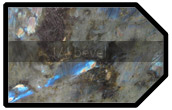
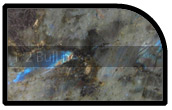



Tip: Keep in mind that custom edges may require more labor and time to complete, so make sure to factor this into your budget when requesting a quote.
4. Account for Special Features
Most kitchen countertop projects require additional features that can add to the final cost. If you need sink cutouts, stove openings, or faucet placements, make sure to include these in your measurements. Many countertops also require backing materials or modifications for special appliances, such as built-in cooktops or under-mount sinks. These customizations will affect both material and labor costs.Tip: If you're planning to integrate unique features like a waterfall edge or integrated sinks, be sure to clearly specify these in your quote request. This ensures you get an estimate that includes all necessary modifications.
5. Consider Installation Complexity
Countertop installation is often the most variable cost factor. A simple, straight countertop installation might be straightforward, but if your project involves curved edges, intricate designs, or multiple seams, it will require additional labor and expertise. For irregular spaces or multiple sections, installation can be more time-consuming and complex, which will increase labor costs.Tip: If your kitchen has an unusual layout or requires specific installation techniques, discuss the details with your countertop supplier or installer to ensure the quote accounts for the complexity of your installation.
6. Set a Budget
Having a budget in mind will help you narrow down your options and make decisions within your financial limits. This allows you to compare prices, materials, and services to ensure you’re getting the best value.Tip: Keep in mind that the cheapest option isn’t always the best. Consider quality, material warranties, and customer reviews in addition to price when evaluating quotes.
7. Review and Clarify the Quote
Once you receive the quotes, review them carefully. Make sure the quote includes all the details of your project, such as material choice, dimensions, edge styles, cutouts, and installation specifics. If there’s anything unclear or missing, don’t hesitate to ask the supplier or contractor for clarification. It’s important to have a clear understanding of what’s included in the quote to avoid unexpected costs later on.Preparing for a countertop quote
- takes a little time and effort, but it ensures you receive an accurate estimate tailored to your project needs. By carefully measuring your space, selecting the right material, and factoring in customization, installation complexity, and other features, you can help streamline the quoting process. With these steps, you’ll be well on your way to making an informed decision that fits your budget and enhances the look of your kitchen.Let’s get started on your dream kitchen countertop today!

Step #2 : Make some basic selections to receive and Instant Countertop Estimate
Countertop Estimate Log
We work with local countertop fabricators all over the US and Canada.
, Granite Countertop Estimate
, Granite Countertop Estimate
, Granite Countertop Estimate
, Granite Countertop Estimate
, Granite Countertop Estimate
, Granite Countertop Estimate
, Granite Countertop Estimate
Sugar Land, TX Granite Countertop Estimate
Putnam Hall, FL Granite Countertop Estimate
, Granite Countertop Estimate
Dayton, NY Granite Countertop Estimate

-
 “Countertop calculator was great to use. I received the information i was looking for . I had a great chat with a local vendor and actually ended up using them for the project..” — F. Chiamero
 -
“The estimate was pretty close and the local company saved me quite a bit over the box store quote. I'd use this again for my next countertops” — S. Simmons
-
“ I did not know where to start and countertop calculator showed me how to get the information the local companies were asking me for.” — T. Jones
Related.
7 Steps to prepare for a countertop quote

countertop square foot calculator

countertops cost calculator
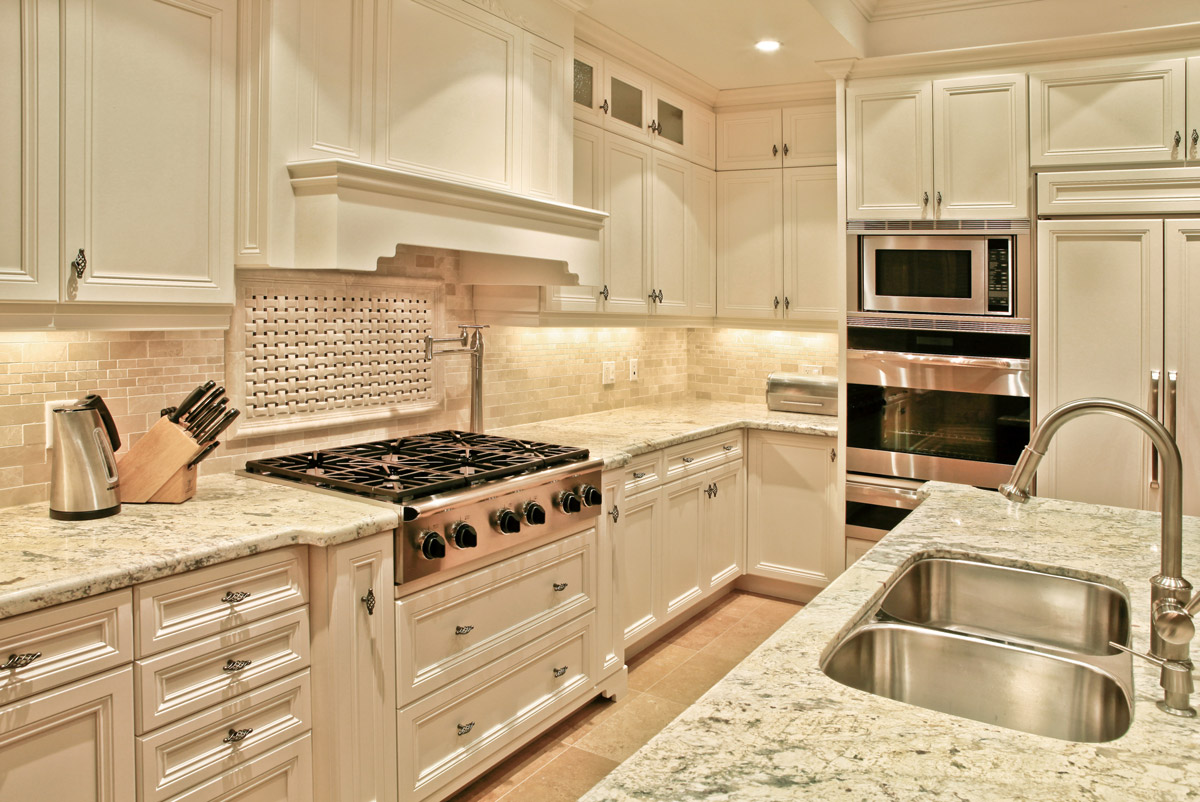
countertops cost estimator

Custom Kitchen Countertop Prices
Granite countertop square foot calculator

granite vs quartz countertops
How much to replace countertops in small kitchen
the pros and cons of the leading countertop materials

The Truth About Quartz Countertops
Material Selection
The cost of countertop materials are based on supply and demand. Example: Some material is difficult to find, more expensive to mine from the earth and farther away to source. These factors may increase the cost. Some material is man-made but the costs of manufacturing this material and designed it to a style that is in demand may drive up the cost of certain designs.
Granite Countertop Calculator
Stone Grade / Slab Size / Edge Design / Installation Complexity / Source Location / Price Range
Quartz Countertop Calculator & Estimator
Quartz is an engineered stone made from crushed quartz and resin, offering a consistent appearance.
Brand / Design Complexity / Customization / Thickness / Environmental Add-ons / Price Range:
Marble Countertop Calculator & Estimator
Marble is a luxurious natural stone renowned for its classic elegance and veining.
Type of Marble / Rarity / Finish / Sealing Needs / Thickness and Size / Price Range:
Quartzite Countertop Calculator & Estimator
Quartzite is a natural stone that combines the look of marble with the durability of granite.